Ch 23. LangGraph — 상태 그래프¶

이 챕터에서 배우는 것
- StateGraph — node · edge · conditional edge · reducer
- Checkpointer — 매 node 실행 후 state 저장 (SqliteSaver / Postgres)
- Thread ID — 대화 지속 · 재개
- Interrupt — agent 일시 중지, 인간 승인 후 resume
- Streaming — node 단위 점진적 응답 (UX 용)
- 과설계 함정 · conditional edge 지옥 · stream 중 예외
전제
Ch 22 — ACI · approval queue. 이번 챕터는 그 승인 패턴을 LangGraph 표준 방식 으로 구현.
1. 개념 — 루프 대신 그래프¶
Ch 20~22 의 agent 는 while loop. 단순하지만 production 에선 다음이 필요합니다:
- 상태 공유: 여러 node 가 같은 state 를 읽고 씀
- 체크포인트: 중간 실패 · 재시작 시 복구
- 분기·병렬: 조건부 경로 · 독립 작업 동시 실행
- 사람 게이트: 중간에 멈춰서 사람 승인 기다림
- 스트리밍: UI 로 진행 상황 실시간 송출
이걸 직접 짜면 금방 스파게티. LangGraph 는 이 패턴들의 표준 레일.
StateGraph = 상태 스키마 + node 함수 + edge 연결 + checkpointer.
2. 왜 필요한가 — 루프 vs 그래프¶
루프의 한계: - 상태가 암묵적 (변수 리스트로 흩어짐) → 재현·디버깅 어려움 - 실패 시 처음부터 재시작 (긴 agent 는 비용·지연 ↑) - 사람 승인 중간에 못 끼워넣음
그래프의 이점: - state 가 명시적 TypedDict → 타입 체크 · 이동 추적 - 매 node 후 checkpoint → 실패 지점부터 재개 - interrupt 한 줄로 pause - trace 가 자동 (LangSmith 연동)
비용: 러닝 커브 + 라이브러리 의존. 제품 규모가 커지면 이득이 커브 초과.
3. 어디에 쓰이는가 — StateGraph 구성¶
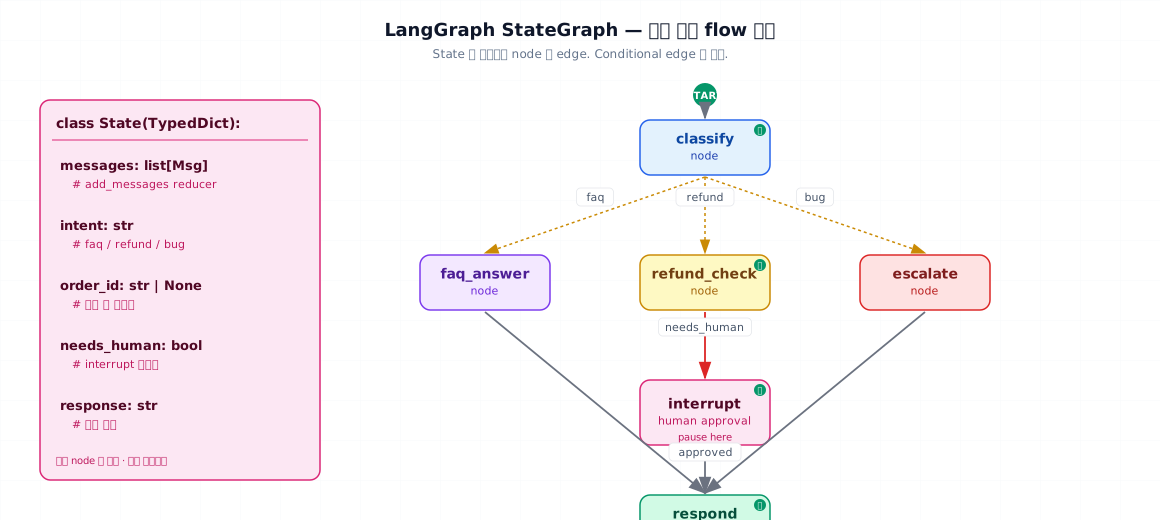
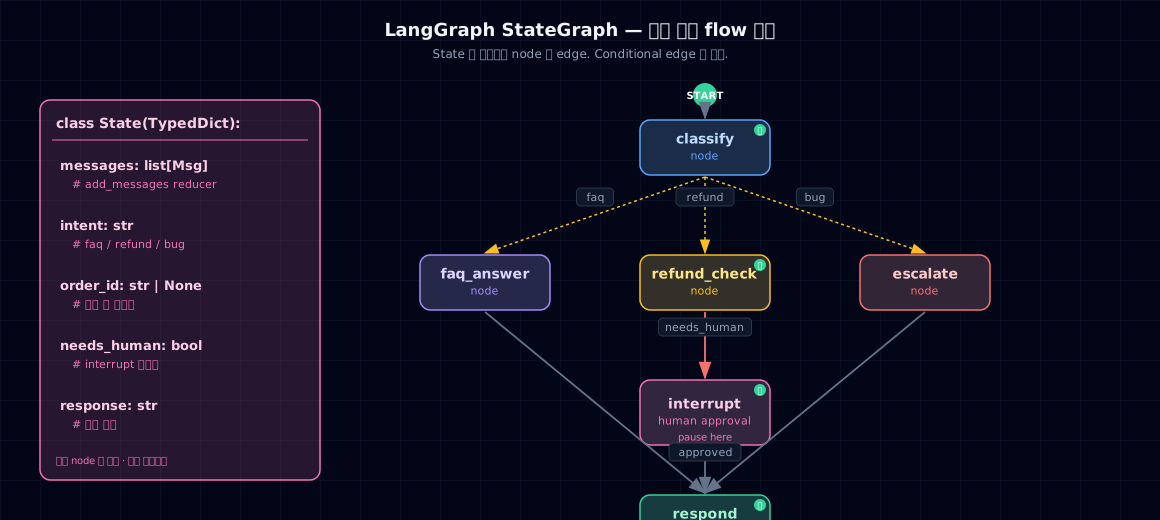
3-1. 구성 요소¶
| 요소 | 역할 | 예 |
|---|---|---|
| State | 공유 메모리 (TypedDict) | messages · intent · needs_human |
| Node | state 를 읽고 업데이트 반환 하는 함수 | classify_intent(state) -> {'intent': 'refund'} |
| Edge | node 간 흐름 | START → classify → respond → END |
| Conditional Edge | state 보고 다음 node 선택 | intent == 'refund' → refund_check |
| Reducer | state 병합 규칙 | add_messages (리스트 append) |
| Checkpointer | state 저장소 | SqliteSaver · PostgresSaver |
| Thread ID | 대화/세션 구분 | {'configurable': {'thread_id': 'user-42'}} |
3-2. 언제 StateGraph 대신 다른 걸 쓸까¶
- 단일 LLM 호출: StateGraph 과함. 그냥 함수.
- 순수 chaining (A→B→C, 분기 없음): LCEL 이 더 간단
- 정말 자율적 agent (LLM 이 전부 결정): Ch 20 루프 + Ch 22 툴이면 충분
- 복잡 상태 · 승인 · 재개: ✅ StateGraph
4. 최소 예제 — 고객 지원 3분기 그래프¶
의도 분류 → (FAQ / 환불 / 버그) 분기 → 응답. 환불은 interrupt.
- State —
Annotated[list, add_messages]가 핵심. reducer 가 append 처리. - Node — state 받아서 업데이트할 필드만 반환. 전체 state 덮어쓰기 X.
- Router — conditional edge 의 판정 함수. 반환값이 다음 node 이름.
- add_conditional_edges — 여러 분기 한 번에 등록.
실행¶
| run_graph.py | |
|---|---|
thread_id 가 같으면 대화가 이어집니다 (state 복구).
5. 실전 튜토리얼 — Interrupt + Resume¶
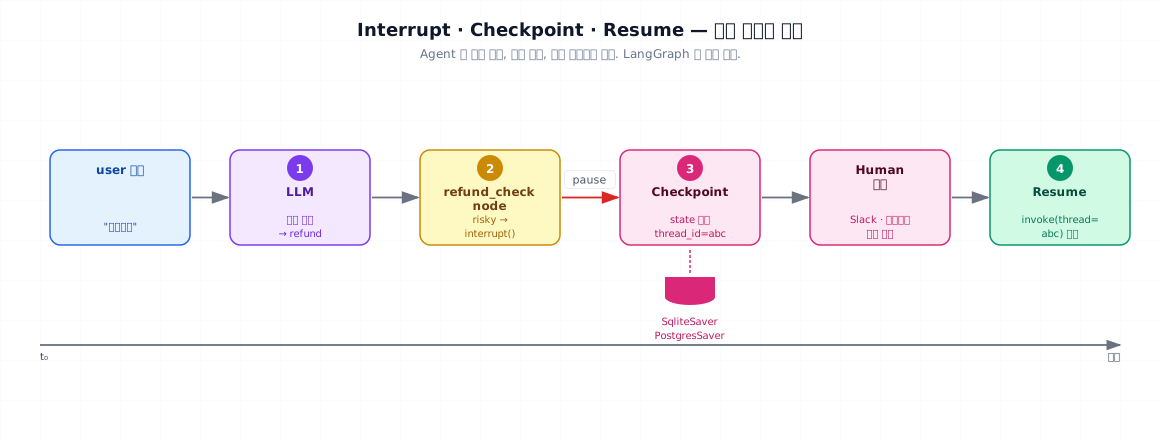
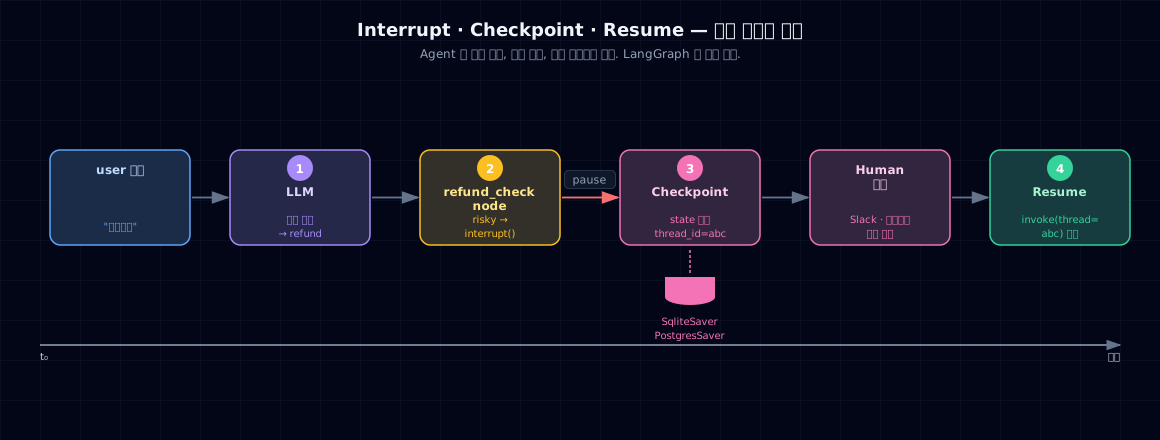
5-1. interrupt_before 로 게이트 추가¶
승인 필요 node 앞에서 그래프를 멈춘다.
- interrupt_before — 진입 직전 pause.
interrupt_after도 있음. - invoke(None, config) — "이어서 해" 의미. checkpointer 에서 state 복구.
5-2. 실제 운영 패턴¶
| # | 시점 | 동작 | 상태 |
|---|---|---|---|
| 1 | 사용자 요청 | graph.invoke(...) 첫 호출 |
— |
| 2 | classify 실행 | 라우팅 결정 | — |
| 3 | interrupt_before='refund_check' |
pause + state 저장 | DB 에 thread 저장 |
| 4 | return | 운영자 알림 (Slack/대시보드) | — |
| 5 | ~10분 후 운영자 승인 | webhook 호출 | — |
| 6 | graph.invoke(None, {'thread_id': ...}) |
재개 | DB 에서 state 복원 |
| 7 | refund_check 실행 | tool 호출 | — |
| 8 | respond 실행 → END | 사용자에게 응답 전송 | — |
핵심: thread_id 만 있으면 되고, 중간 상태가 DB 에 있어서 재시작·복구 가 자유롭다.
5-3. Streaming — 실시간 UX¶
| stream_graph.py | |
|---|---|
각 node 완료마다 청크 방출. UI 에 "분류 중… 답변 작성 중…" 같이 progress 표시.
5-4. Time Travel — 이전 상태로¶
| time_travel.py | |
|---|---|
디버깅·A/B 에 유용.
6. 자주 깨지는 포인트¶
6-1. StateGraph 과설계¶
3 node 면 끝날 flow 에 10 node, conditional edge 7개. LCEL · 단순 함수 로 풀릴 걸 LangGraph 로 만들지 말 것. 상태·체크포인트·interrupt 셋 중 둘 이상이 필요할 때 StateGraph.
6-2. Conditional edge 지옥¶
add_conditional_edges(X, router_fn) 가 많아지면 flow 를 한눈에 못 봄. 5개 초과하면 flow 를 2개 서브그래프 로 쪼개세요.
6-3. State 를 통째로 덮어쓰기¶
Node 가 return state 하면 전체 덮어씀 (reducer 무시). 반드시 업데이트할 필드만 반환: return {'intent': 'refund'}.
6-4. Checkpointer 미설정¶
checkpointer=None 이면 interrupt·resume · thread 안 됨. 개발은 SqliteSaver(':memory:'), 운영은 PostgresSaver.
6-5. Stream 중 예외 처리 없음¶
Node 에서 예외 → stream 이 끊김 → UI 가 "응답 없음". 각 node 에 try/except 로 error state 필드 세팅 + 다음 node 가 분기 처리.
6-6. Thread ID 설계 소홀¶
thread_id = user_id 하면 같은 사용자의 두 대화가 섞임. thread_id = f'{user_id}:{session_id}' 같이 세션까지 포함.
7. 운영 시 체크할 점¶
- State 스키마가 TypedDict 로 타입 체크되는가
- Node 가 업데이트 필드만 반환하는가 (전체 state X)
- Checkpointer 가 프로덕션 DB (Postgres) 로 구성됐는가
-
thread_id가 세션 단위로 유일한가 (user_id 단일 사용 금지) - Interrupt 지점이 승인 필요 node 앞에 있는가
- 각 node 에 try/except + error state 필드가 있는가
- Conditional edge 가 5개 초과 면 서브그래프 분리 검토했는가
- Trace (LangSmith / Langfuse) 가 붙어 있는가
- Stream 사용 시 각 chunk 타입(updates/values/messages) 을 UI 가 구분 처리하는가
- Time travel 이 필요한 이유 (A/B · 디버깅) 가 명확한가 (대부분 불필요)
8. 연습문제 & 다음 챕터¶
확인 문제¶
- StateGraph 대신 "그냥 함수 체인" 으로 충분한 상황 3가지를 드세요.
- Conditional edge 와 edge 의 차이, router 함수 반환값의 의미를 설명하세요.
interrupt_before를 썼을 때 state 가 어디 저장되고, resume 은 어떤 API 로 하나요?- Thread ID 를
user_id단일 사용의 위험을 구체 시나리오로 드세요.
실습 과제¶
- §4 의 support graph 를 Colab 에서 실행.
thread_id='u1'로 두 번 연속 호출 → state 가 이어지는지 확인. - §5-1 의 interrupt 패턴 추가.
invoke(None, cfg)로 resume 시 실제 돌아가는지. app.get_state_history(cfg)로 체크포인트 리스트 보고, 하나 골라 time travel.
원전¶
- LangGraph 공식 문서 — Persistence · Interrupt · Time Travel. 프로젝트
_research/langgraph-persistence.md - Anthropic — Building Effective Agents — workflow vs agent 경계. 프로젝트
_research/anthropic-building-effective-agents.md
다음 챕터 → Ch 24. Agent 메모리 — thread / cross-thread · 에피소딕 · MemGPT 계층